
Whole-house repiping in Denver, copper or PEX
If your Denver home still runs on galvanized steel or failing polybutylene, repiping is the permanent fix. We replace every supply line in the house with copper or PEX, pull the Denver plumbing permit, and pressure-test the whole system before we hand back your keys. Call (720) 599-7253 to book a walkthrough.
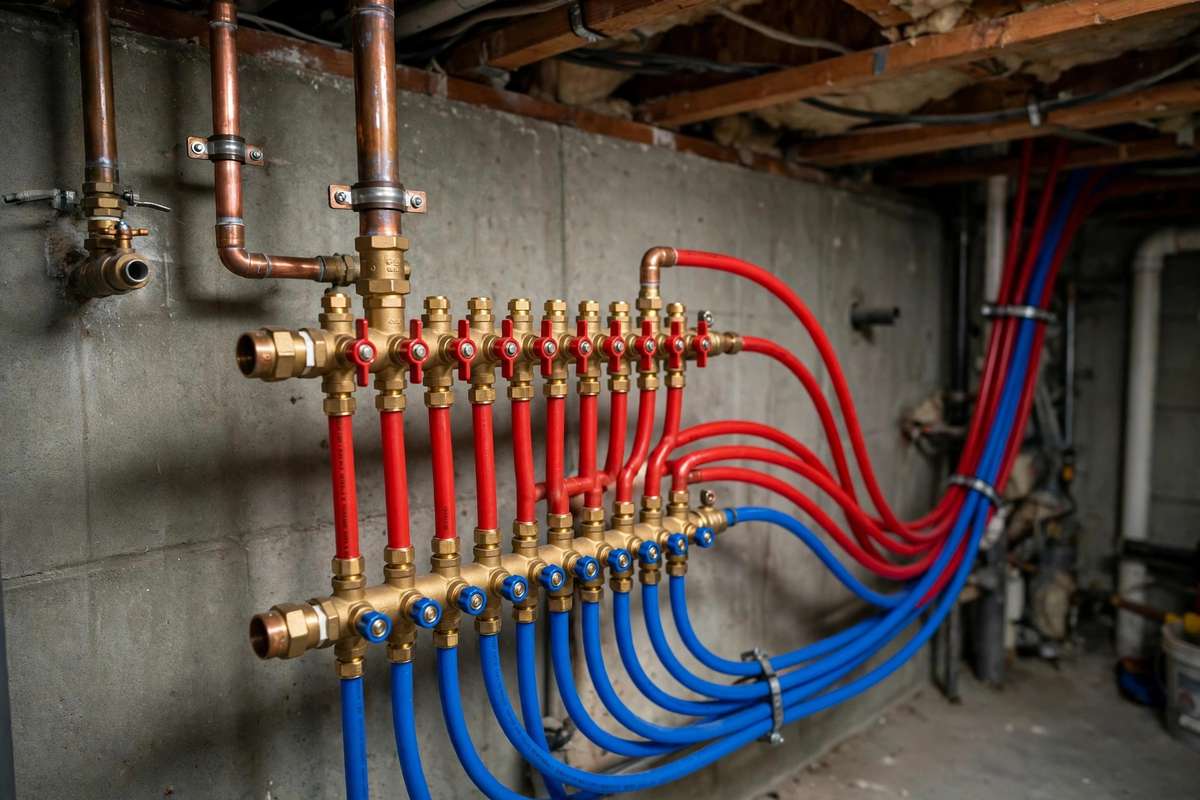
Service overview
What repiping in Denver actually involves
Whole-house repiping in Denver is the full replacement of your home's water supply lines, swapping corroded galvanized steel, brittle polybutylene, or pinhole-leaking copper for new copper or PEX throughout the house. It is a one-time project, not a repair: every hot and cold line from the main shut-off to the last fixture is replaced, the system is pressure-tested, and the walls are patched. The homes that need it most in Denver are the pre-1970 stock, where galvanized steel has been narrowing from the inside for decades, and the 1978 to 1995 stock, where polybutylene is reaching the end of its service life.
! Warning signs
Brown or rusty water on the first draw
Rust inside galvanized pipe flakes off and ends up in your glass, your laundry, and your water heater. It also shortens the life of every fixture the water passes through.
Low water pressure at every fixture
Scale and rust narrow the inside of old pipe until flow drops to a trickle. Showers get cold and slow, and appliances take twice as long to fill. The restriction is in the walls, not the fixtures.
Repeat pinhole leaks and slab leaks
Once copper starts pitting, it fails in waves. Each repair means another cut into the wall or floor, another water bill spike, and another chance for water damage in the rooms below.
Scope of work
What a full repipe from us includes
Every repipe we quote covers the same core scope, so you are comparing like with like when you get other bids. Materials, labor, permit, and patching are all in the quote.
-
01
All new supply lines
Every hot and cold water line in the house gets replaced, from the main shut-off valve to the last fixture. That includes runs to the kitchen, every bathroom, the laundry, and any hose bibs on the system.
-
02
New shut-off valves and fittings
Each fixture gets a new shut-off valve, supply line, and code-compliant fittings. Old gate valves that no longer close all the way get swapped for quarter-turn valves.
-
03
Permit and inspection
We pull the Denver plumbing permit and meet the inspector on site. You get the sign-off documentation when the job closes, which is what a buyer's inspector will ask for later.
-
04
Pressure testing and drywall patch
The system gets pressure-tested before any wall closes. Once it passes, we patch the drywall openings and leave the walls ready for paint.
Why Denver homeowners repipe instead of patch
Repiping is a one-time project that ends the cycle of leak calls, pressure complaints, and water damage repairs. A home that has needed three patches in two years will need a fourth, because the pipe that failed is the same age as the pipe next to it. A repipe replaces all of it at once, and the new lines are the last plumbing project the house will need for a generation.
Request a quoteTools and methods we use on repipes
PEX crimping tool
Used to set stainless rings on every PEX connection. Each crimp gets checked with a go/no-go gauge before the line is pressurized, so no joint is left untested.
Soldering torch
Used on copper repipes to sweat joints with lead-free solder. We keep the flame controlled near framing and use heat shields in tight spaces.
Pipe wrench and cutter
Used to break loose old galvanized fittings and cut out corroded sections cleanly. Sharp cuts mean fewer burrs and a better fit when new pipe goes in.
Pipe camera inspection
Used before we quote to see the inside of the existing lines. It shows scale, pitting, and where the failures are concentrated, which tells us whether a full repipe or a partial replacement is the honest recommendation.
Local execution
Denver's climate and housing stock shape every repipe we do. Winter temperatures drop into the single digits, which is why we insulate new lines in crawlspaces and exterior walls rather than leaving them exposed. The stock is the bigger factor: more than half of Denver homes were built before 1980, and the median year built is 1975. In Capitol Hill and Baker, the Victorians still run on galvanized steel laid before 1950, and the repipe has to thread new lines through plaster and lathe without gutting the rooms. In Park Hill, the homes are 1893 to 1941, and the long front yards mean the service line and the interior runs are two separate conversations. In Berkeley and the 1950s southwest, the ranches are hitting the age where polybutylene and early copper fail together, and the repipe is often paired with a water heater decision. In Central Park and Green Valley Ranch, the stock is new enough that a repipe is rarely the job at all, which is why we camera first and recommend a partial replacement when that is the honest answer.
How repiping runs in Denver
What repiping usually looks like
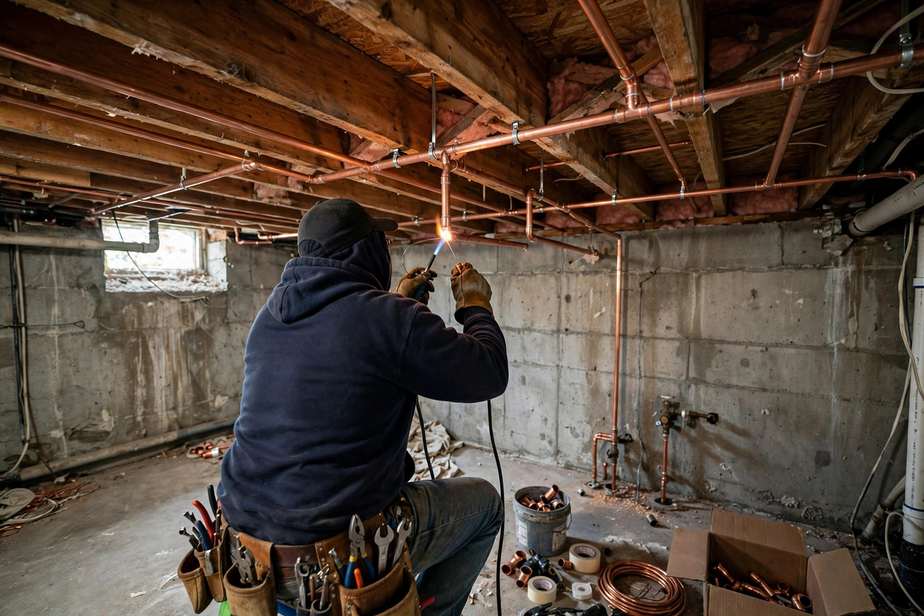
A repipe is a project, not a patch
Call (720) 599-7253 to book a repipe walkthrough
A burst pipe or a leak under a slab does not wait for a convenient week, and neither does a repipe decision once the third patch has failed. Call (720) 599-7253 to book a walkthrough, and we will confirm availability when you call. We walk the house with you, map every fixture, check the main shut-off and the water meter, and give you a written quote broken out by material and scope, so you can compare it against another patch with real numbers in front of you.
How our repiping process works
Walkthrough and quote
We walk the house with you, map every fixture, and check the main shut-off valve and water meter. You get a written quote, broken out by material and scope, before any wall opens.
Permit and material order
We pull the Denver plumbing permit and schedule the inspection before we cut a single line. Copper pipe, PEX tubing, fittings, and shut-off valves get ordered to the mapped scope, not guessed at.
Demo and rough-in
Day one is demo. We open the walls where lines run, cut out the old pipe, and fish new lines through the same chases. Floors get drop cloths, furniture gets covered, and every new line is pressure-tested before the walls close.
What affects the cost of repiping in Denver
You get the repipe quote before any wall opens, so the number is agreed before work starts. These are the factors that move it.
House size and fixture count
A smaller ranch with eight fixtures takes fewer materials and fewer days than a larger two-story with fourteen. Each additional fixture adds supply lines, valves, and connections.
Copper versus PEX material
Copper costs more per foot and takes longer to install, but it handles hot lines without question and lasts decades. PEX costs less, installs faster, and resists freezing better, which matters in exterior walls and crawlspaces.
Wall access and patching
Homes with drywall open quickly and patch cleanly. Plaster and lathe walls take more time to cut and finish, and finished basements add protection work around the runs.
How to reach us
Repiping questions Denver homeowners ask
How much does repiping cost in Denver?
The cost depends on square footage, fixture count, material, and wall type. A smaller home with few fixtures is one kind of project; a larger two-story with plaster walls is another. We quote the project before any wall opens, so you know the number before work starts.
How long does whole house repiping take in Denver?
A typical Denver repipe takes two to four working days. Day one is demo and rough-in, day two is connections and pressure testing, and the remaining time covers patching and the final walkthrough. Larger homes and plaster walls add time.
What is repiping and do I need it in Denver?
Repiping replaces every water supply line in your home with new copper or PEX. You need it in Denver if your house still has galvanized steel, if you have polybutylene from 1978 to 1995, or if copper pinholes keep appearing in different spots. A camera inspection tells you which of those applies to your home.
Does repiping increase home value in Denver?
A documented repipe removes the biggest plumbing objection a Denver buyer's inspector can raise on an older home. Sellers in neighborhoods with pre-1950 stock, such as Capitol Hill and Park Hill, see it come up in inspection reports more than any other single plumbing item. The permit sign-off is the documentation that matters.
Further reading: Best plumbing services for older homes in Denver.
Related services
Emergency Plumbing
If a line lets go before your repipe is scheduled, we shut it down and stabilize the system. Emergency work is often the first step, and the repipe is the permanent one.
Drain Cleaning
Supply lines and drains age together. We run a drain cleaning pass through your main while the walls are open, so you are not calling us back for a clog next month.
Pipe Replacement
When only one run is failing, a full repipe is more than the house needs. Pipe replacement swaps the failing run on its own, with the same permit and pressure test, and leaves the sound runs alone.
Ready to stop patching? Call (720) 599-7253
Call (720) 599-7253 to book a repipe walkthrough. We will confirm availability when you call, map every fixture, and hand you a written quote before any wall opens.