Sump Pump Repair in Denver, CO
A sump pump that will not run, runs constantly, or cannot keep up with the water coming in usually has a specific cause: a failed switch, a stuck float, or a discharge line that is blocked or frozen. We find it and fix what actually failed.
Service overview
Switch, float, or discharge: find the fault
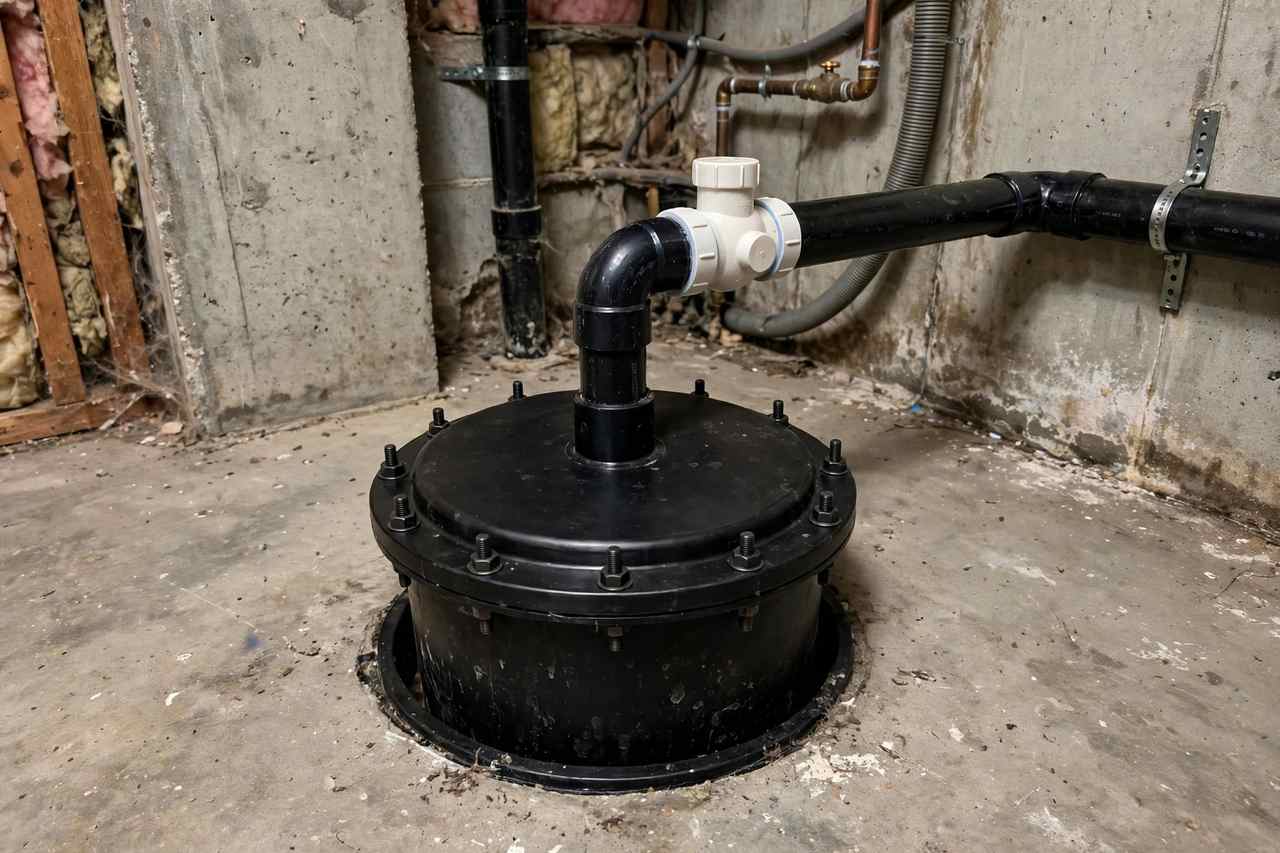
Sump pump repair in Denver is the diagnosis and fix of a basement pump that will not run, runs constantly, or cannot keep up with the water reaching the pit. The most common faults are the float switch, which can stick or fail, and the discharge line, which can clog or freeze where it leaves the house. A pump that runs constantly may be fighting a high water table after snowmelt or heavy rain, or it may be short-cycling because the check valve has failed and water is running back into the pit. Denver's spring snowmelt and heavy summer rain push water toward basements in expansive clay soil, and that is when a pump fault shows up. We test the pump, the switch, the check valve, and the discharge line in turn, and we do not cite a share of Denver homes with sump pumps, because no reliable figure exists.
! Common warning signs
Pump will not run
A pump that stays silent while the pit fills usually has a failed float switch, a tripped breaker or a burned-out motor. We test each in turn.
Pump runs constantly
A pump that never stops may be short-cycling because the check valve has failed, or it may be fighting a high water table after snowmelt or heavy rain.
Pump cannot keep up
A pump that runs but the water keeps rising may be undersized, or the discharge line may be blocked or frozen where it leaves the house.
Scope of work
What a sump pump repair visit covers
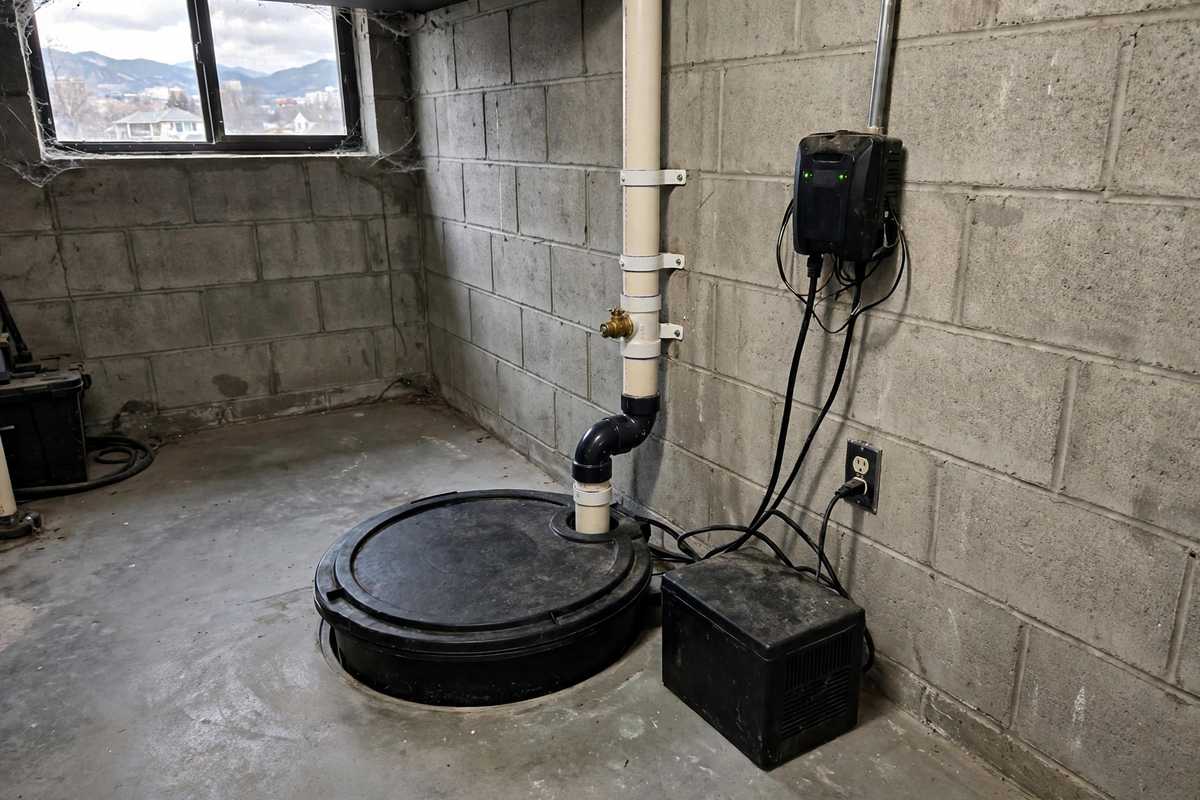
A sump pump repair starts in the pit: we test the float, the switch and the discharge line to find why the pump runs, will not run, or runs without moving water. Here is what the visit covers.
-
01
Pump and switch testing
We test the pump motor and the float switch, and check the pit for debris that can jam the float or block the intake.
-
02
Check valve testing
The check valve is tested so a pump that short-cycles is fixed at the valve rather than replaced on a guess.
-
03
Discharge line check
The discharge line is traced from the pump to where it leaves the house, and checked for clogs, kinks, and freeze points.
-
04
Testing under load
After the repair we fill the pit and confirm the pump starts, runs, and shuts off properly, and that the discharge carries water away from the foundation.
Repair or replace: how the call is made
A pump with a failed switch or a blocked discharge is worth repairing, and most are. A pump with a failed motor, a cracked housing, or a history of repeated failures is a different conversation, and we lay out the replacement option when the diagnosis points that way. A battery backup is worth discussing at the same time, because power often fails in the storm when the pump matters most.
Call (720) 599-7253Tools and methods we use
Float switch testing
Checks the float and the switch so a pump that will not run or will not stop is fixed at the part that failed.
Discharge line inspection
Traces the discharge from the pump to where it leaves the house, finding clogs, kinks, and freeze points.
Check valve testing
Confirms the valve holds so water does not run back into the pit and short-cycle the pump.
Pit cleaning tools
Clears debris from the pit that can jam the float or block the intake, which is a common cause of pump failure.
Local execution
Sump pump work in Denver follows the water. Spring snowmelt and heavy summer rain push water toward basements in expansive clay soil, and the low-lying homes near the South Platte in Athmar Park and Valverde see it first. In Globeville and Elyria-Swansea, where the ground sits low and the water table runs high, a pump that cannot keep up is a basement problem before long. Discharge routing matters everywhere here: a line that dumps water next to the foundation simply recycles it back into the pit, and a line that runs uphill or freezes at the exit will fail when it is needed most.
Where sump pump repair comes up most in Denver
What to tell us when you call
Sump pump not working? Call to book a repair visit
What to do while you wait
A failed sump pump lets water rise in the basement, and that should not wait. Call (720) 599-7253, describe what the pump does, and we will confirm availability when you call. If water is rising, move valuables off the basement floor and avoid wading in water near electrical outlets or the pump's power supply.
What to expect from your sump pump repair
Call and describe the fault
Call (720) 599-7253 and tell us what the pump does: will not run, runs constantly, or cannot keep up. We set a time that fits your day.
On-site diagnosis
We test the pump motor and float switch, check the check valve, and trace the discharge line so the fault is found before any part is replaced.
Repair and testing under load
The failed part is replaced or the discharge is cleared, and the pit is filled to confirm the pump starts, runs, and shuts off properly.
What shapes the cost of sump pump repair in Denver
A sump pump repair has no published price: the fault and the state of the pump and the discharge line set the scope. We talk through what the repair involves before any work starts, so you can decide with the facts in front of you.
The fault itself
A failed float switch and a failed motor are different repairs, and a blocked discharge line is different again. The diagnosis sets the scope.
Pump age and condition
A recent pump with one failed part is a straightforward repair. An older pump with a history of failures may not be worth repairing.
Discharge routing
A discharge line that is blocked, kinked, or frozen needs tracing and correction, and the route it takes shapes the work.
Before any work starts
Frequently asked questions
Why will my sump pump not turn on?
A silent pump while the pit fills usually means a failed float switch, a tripped breaker or a burned-out motor. We test each in turn, so the fix matches the fault.
Why does my sump pump run all the time?
It may be short-cycling because the check valve has failed and water is running back into the pit, or it may be fighting a high water table after snowmelt or heavy rain. Testing the check valve tells them apart.
Why does my sump pump run but the water keeps rising?
The pump may be undersized for the water coming in, or the discharge line may be blocked or frozen where it leaves the house. We test the pump and trace the discharge line.
Should I repair or replace my sump pump?
A pump with a failed switch or a blocked discharge is worth repairing. A pump with a failed motor or a history of repeated failures is not. We lay out both options when the diagnosis points that way.
Sump pump trouble in Denver? Call us
Call (720) 599-7253 and tell us what your pump does. We will confirm availability and find the fault.