
5280 Denver Plumbing 5280 Denver Plumbing
Indian Creek Plumbing

Plumber in Indian Creek, Denver, CO

Indian Creek is two eras on creek-adjacent ground: a mid-century ranch core beside 1990s Neoeclectic and Ranch infill, east of Colorado Boulevard. The older stock carries a seasonal water-table and basement-damp load, while the 1990s infill is on its first cycle of failures. Do not present Indian Creek as a single-era neighborhood — the pipe answer flips between the two stocks on the same streets. Your Plumber in Indian Creek, Denver, CO reads the build era first — creek-side damp in a mid-century ranch is a different job from a first-cycle fix in 1990s infill. Call (720) 599-7253.

Denver
Based in Athmar Park
2022
Business started, per BBB
Call to book
(720) 599-7253 — we confirm availability when you call

About this area

Plumbing in Indian Creek for two eras on creek-adjacent ground

Why we work in Indian Creek

Indian Creek sits in southeast Denver near Indian Creek and Cherry Creek, east of Colorado Boulevard, on suburban, creek-adjacent ground with larger lots in places. The stock is a mid-century ranch core plus 1990s Neoeclectic and Ranch infill.

A mid-century ranch core beside 1990s infill — two pipe eras on the same creek-adjacent streets.

The older stock runs on the mid-century set: galvanized and early copper supply lines, cast-iron drains and clay laterals, with predominantly full basements. On creek-adjacent ground that older stock carries a seasonal water-table and basement-damp load, so a floor-drain backup has to be separated from groundwater before anything is quoted.

The 1990s infill is a different stock: copper and PEX supply lines with PVC drains, on mixed basement and slab foundations. Its failures are first-cycle — a first water heater, a first fixture replacement — not end-of-life repiping. The diagnostic question on every Indian Creek call is which era the address sits in, because the pipe answer changes between the two.

Services available

Plumbing services Indian Creek homeowners call us for

The work we do most in Indian Creek comes from a two-era mix on creek-adjacent ground: seasonal water-table and basement damp on the older stock, first-cycle failures on the 1990s stock. That is the list below, written for a mid-century ranch core with 1990s Neoeclectic and ranch infill rather than for Denver in general; call (720) 599-7253 to discuss your job.

Sewer Camera Inspection

On a mid-century ranch core with 1990s Neoeclectic and ranch infill, guessing costs more than looking. Two eras share these streets: the mid-century core carries a seasonal water-table load, while the 1990s infill is on its first cycle of failures. A camera shows the actual condition of the line in Indian Creek — roots, offsets, bellies, or a break — before any clearing or repair is quoted.

Learn more →

Drain Cleaning

Two eras share these streets: the mid-century core carries a seasonal water-table load, while the 1990s infill is on its first cycle of failures. Slow or blocked drains get cleared and then checked, so the same drain does not block again the following week.

Learn more →

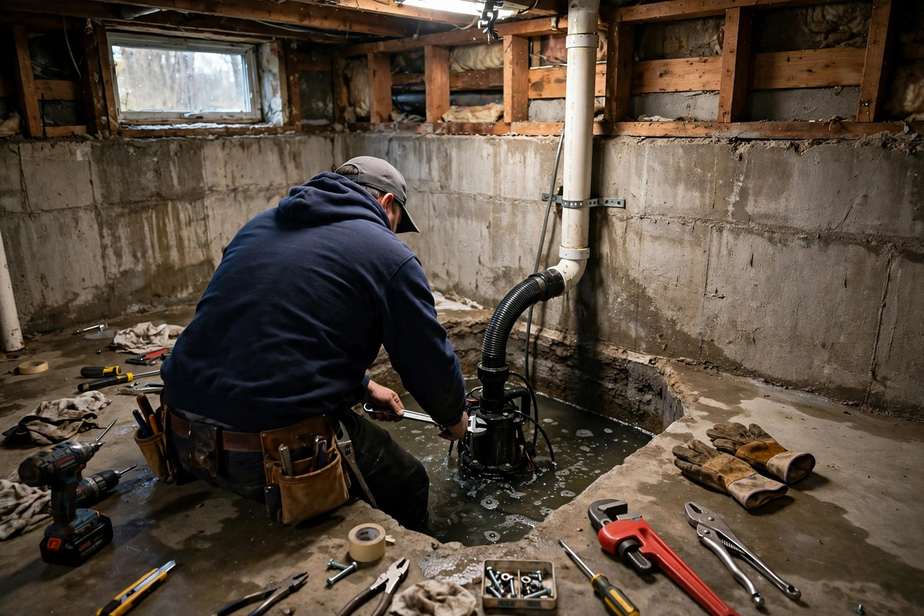
Sump Pump Installation

A sump system is sized to the basement and the discharge is routed away from the foundation. A floor-drain backup on creek-adjacent ground can be groundwater or a lateral problem — the source is found before anything is quoted.

Learn more →

Basement Plumbing

Basement bathrooms, sewage ejectors, floor drains and sump pumps are one connected system, so they are planned together. A floor-drain backup on creek-adjacent ground can be groundwater or a lateral problem — the source is found before anything is quoted.

Learn more →

Water Heater Repair

In Indian Creek, a water heater that gives no hot water, leaks, or will not hold a pilot is diagnosed first: a mid-century ranch core with 1990s Neoeclectic and ranch infill means the tank could be at end of life or on its first failure, and the two are different jobs.

Learn more →

Pipe Repair

A single leaking or split section is cut out and replaced, with a pressure check after the repair.

Learn more →

How we work locally

How we run Plumbing jobs in Indian Creek

Challenge: Challenge: Two pipe eras on the same street

A mid-century ranch on galvanized, cast-iron and clay can sit beside 1990s infill on copper, PEX and PVC. The pipe answer flips house by house, so no single era claim covers the neighborhood.

Solution: We verify the era at the address before quoting — a camera for the lateral, a pressure test for the supply lines — because a mid-century ranch and a 1990s infill on creek-adjacent ground need different quotes.

Challenge: Challenge: Creek-adjacent basement water on the older stock

The mid-century core sits on creek-adjacent ground with a seasonal water-table load. A floor-drain backup looks exactly like groundwater seepage at first glance, and the two need different fixes.

Solution: We separate them before quoting: a camera and flow check for the lateral, and a look at the sump and foundation drainage for groundwater.

Neighborhoods we serve

Indian CreekVirginia VillageGoldsmithSouthmoor Park

Service area

Indian Creek

Latitude: 39.678

Get Directions

Local questions

What plumbing problems are most common in Indian Creek?

It depends on the era. On the mid-century core: galvanized supply lines losing pressure, cast-iron stacks and clay laterals reaching end of life, and basement damp on creek-adjacent ground. On the 1990s infill: first-cycle water-heater and fixture replacements.

My Indian Creek basement is damp. Is it a sewer problem?

Not necessarily. On creek-adjacent ground it can be groundwater, a leaking supply line, or a lateral backup. We separate them before quoting — a camera for the lateral, and a check of the sump and drainage for groundwater.

Why does a backup here need a camera inspection first?

The pipe stock here is mid-century galvanized and copper. Because the cause could be roots in a clay lateral, an offset joint, or a belly in the line, and each one is a different repair — and in Indian Creek the camera also answers the era question first: a mid-century ranch lateral is usually clay, while the 1990s infill beside it is usually PVC. A camera shows which one it is, so the repair matches the actual failure.

How do I book a visit in Indian Creek?

The pipe stock here is mid-century galvanized and copper. The stock here is a mid-century ranch core with 1990s Neoeclectic and ranch infill. To book a visit in Indian Creek, call (720) 599-7253 and tell us what is happening. We confirm availability on the call and talk through what to check before we arrive, starting with the age of the house.

About 5280 Denver Plumbing

Denver-based, working across Indian Creek

5280 Denver Plumbing Solutions LLC is based at 567 S Eliot St in Athmar Park, Denver, CO 80219, and serves Indian Creek from there. The BBB record: A+ rating, July 22, 2022 start, not BBB accredited, no complaints in the last three years. The stock here is a mid-century ranch core with 1990s Neoeclectic and ranch infill. a two-era mix on creek-adjacent ground keeps bringing it up here.

BBB A+ Rating
Not BBB Accredited
Denver-Based 567 S Eliot St, Athmar Park
When To Call

Signs you need a plumber in Indian Creek

The pipe stock here is mid-century galvanized and copper. Some Indian Creek problems announce themselves loudly and others build quietly for months. On a mid-century ranch core with 1990s Neoeclectic and ranch infill, the quiet ones are usually the stock reaching end of life or first failure — these are the signs to watch for.

1. Damp or staining on a basement wall

On creek-adjacent ground, damp can be groundwater, a supply leak or a lateral problem. Each is diagnosed differently, so the source is found before anything is opened.

2. Water pressure falling at every fixture

House-wide pressure loss in a mid-century ranch usually means galvanized supply lines rusting closed from the inside. A pressure test shows whether a spot repair helps or a phased repipe is the honest answer.

3. Backups that return after clearing

A drain that blocks again weeks after clearing in Indian Creek usually means roots have re-entered a cracked clay lateral through the same joint — on the mid-century ranch core. The 1990s infill beside it runs PVC, so a repeat backup is also the clue that the failing line belongs to the older house, not the newer one. Clearing buys time; a camera shows whether the joint itself has failed.

4. A water heater failing on a 1990s home

On the 1990s infill, a first water-heater failure is a first-cycle replacement, not an end-of-life repipe. The unit is sized to the home, with permit and inspection handled as part of the job.

Local Problem Patterns

Common Plumbing problems in Indian Creek

That pattern follows a mid-century ranch core. The set of problems in Indian Creek follows a mid-century ranch core with 1990s Neoeclectic and ranch infill on Indian Creek and Cherry Creek framing the neighbourhood, east of Colorado Boulevard. Each one below is tied to that stock, so the diagnosis starts with the house rather than with a generic checklist.

Galvanized supply lines corroding from the inside

Why it happens here

That pattern follows a mid-century ranch core. Pressure drops, water discolours, and pinhole leaks start behind walls. Indian Creek's mid-century ranches used galvanized steel supply lines, with early copper in places. Over decades the zinc coating wears away and the steel rusts from the inside out.

Our approach

The pipe stock here is mid-century galvanized and copper. We pressure-test the system in Indian Creek and the result usually sorts the two eras: a mid-century ranch with galvanized supply closing from the inside, or 1990s infill on copper or PEX where a pressure problem has a different cause. Where corrosion is isolated, we replace that section; where it runs through the house, we plan a phased repipe and show the pressure readings before and after.

Creek-adjacent basement water on the older stock

Why it happens here

The mid-century core sits on creek-adjacent ground with a seasonal water-table load, and a floor-drain backup looks exactly like groundwater seepage at first glance. The two need different fixes.

Our approach

We separate them before quoting in Indian Creek: a camera and flow check for the lateral, and a look at the sump and foundation drainage for groundwater — and the creek-adjacent ground means the groundwater question is asked on the older ranch stock first, while the 1990s infill is checked for first-cycle failures instead.

Root intrusion in clay sewer laterals

Why it happens here

The pipe stock here is mid-century galvanized and copper. The mid-century homes here still run on clay laterals in many cases, and in Indian Creek that means the ranch core — the 1990s infill beside it runs PVC, so the clay-root story belongs to the older houses on the creek-adjacent ground. Clay cracks over time, and tree roots find those cracks. Once inside, roots grow and block the line, and backups start slow and then become frequent.

Our approach

The pipe stock here is mid-century galvanized and copper. We camera the line on sewer calls in Indian Creek, because the answer changes with the era: a mid-century ranch lateral is usually clay and root-prone, while the 1990s infill beside it is usually PVC. If roots are the issue and the clay is still sound, we clear and monitor; if the joint has failed, we repair or replace that section — and the camera keeps a first-cycle PVC problem from being treated as a clay-lateral failure.

First-cycle failures on the 1990s infill

Why it happens here

The 1990s Neoeclectic and Ranch infill runs on copper, PEX and PVC, and its failures are first-cycle: a first water heater, a first fixture replacement, a first supply-line repair. Treating a 1990s home like a 1950s repipe quotes the wrong job.

Our approach

We verify the era at the address first, so a first-cycle repair is quoted as a first-cycle repair.

Local Pricing

How we talk about cost in Indian Creek

For Indian Creek work, a two-era mix on creek-adjacent ground: seasonal water-table and basement damp on the older stock, first-cycle failures on the 1990s stock makes a fixed price meaningless, so none is published here. The call is where the scope is set — call (720) 599-7253 and we will talk through the job with you.

Talking through your job: The pipe stock here is mid-century galvanized and copper. That conversation sets the scope before any work is agreed, and no prices are published on this site. The stock here is a mid-century ranch core with 1990s Neoeclectic and ranch infill. When you call (720) 599-7253 about a Indian Creek job, expect questions first: the age of the house, where the problem shows, and whether more than one fixture is affected.

1

Mid-century core or 1990s infill

A mid-century ranch on galvanized, cast-iron and clay is a different job from 1990s infill on copper, PEX and PVC. The era at the address decides the scope.

2

Groundwater or lateral cause

A damp basement caused by creek-adjacent groundwater is a different job from a lateral repair. The diagnosis comes first, so the quote matches the actual cause.

3

Permits and inspections

In Indian Creek the permit job depends on which of the two eras the address belongs to: a sewer lateral or water service on the mid-century ranch core, where the clay and galvanized lines are reaching end of life, rather than on the 1990s infill beside it. Sewer and water-line work in Denver needs a permit and an inspection, and the inspection confirms which era's line was actually replaced. We pull the permit and schedule the inspection as part of the job.

Year-Round Coverage

How seasons affect Plumbing in Indian Creek

Indian Creek plumbing changes with the seasons. Winter freeze-thaw finds weak points in exposed lines, spring runoff tests creek-adjacent basements and older laterals, and fall is when planned work gets done before the cold arrives.

Spring

Spring runoff tests the creek-adjacent basements on the older stock, and the 1990s infill sees its first sump checks of the year.

Tip

On creek-adjacent ground, check the basement floor drain for slow drainage — groundwater and a lateral backup present the same way.

Summer

Summer is first water-heater season on the 1990s infill, and drain season on the mid-century core.

Tip

A first water heater on the infill is a planned replacement, not an emergency — size it before it fails.

Fall

Fall is when planned work gets scheduled on both eras, before the first freeze.

Tip

Confirm which era the house sits in before planning fall work — the pipe answer flips between the two stocks.

Winter

Winter freeze-thaw splits exposed lines on both stocks, and a split often shows only at thaw.

Tip

Disconnect hoses and drain hose bibs before the first hard freeze, and check both eras' exposed runs.

Hiring Smart

What to ask before hiring a plumber in Indian Creek

Not every plumber who answers the phone in Denver is set up for Indian Creek: a two-era mix on creek-adjacent ground: seasonal water-table and basement damp on the older stock, first-cycle failures on the 1990s stock. The questions below are the ones we would ask before letting anyone work on a house like these.

  1. 1

    “For sewer and water-line work, do you pull the Denver plumbing permit yourselves?”

    Why it matters

    The pipe stock here is mid-century galvanized and copper. Yes, and in Indian Creek the permit should name the era it covers: a lateral or service replacement on the mid-century ranch core is a different permitted job from first-cycle work on the 1990s infill next door. The inspection confirms the right line was replaced. A plumber who skips the permit leaves a problem for the next sale of the house, so we pull the permit and schedule the inspection ourselves.

  2. 2

    “How do you diagnose a sewer problem before quoting a repair?”

    Why it matters

    With a camera, shown to you. On creek-adjacent ground the camera also matters because a floor-drain backup can be groundwater, and a camera rules the lateral in or out.

  3. 3

    “My house is 1990s infill. Is it too new to need a plumber?”

    Why it matters

    No — it is on its first cycle of failures, and in Indian Creek that answer belongs to the 1990s infill: a first water heater, a first fixture replacement, a first supply-line repair on the Neoeclectic and ranch infill beside the older mid-century core. Those are real jobs, just different from a 1950s repipe — and the ranch core next door is on a different clock entirely.

  4. 4

    “What should I have ready when I call?”

    Why it matters

    The age of the house if you know it, whether the problem is drainage, pressure or basement water, and whether more than one fixture is affected. That tells us which era and which system to start with.

Knowing the Area

Navigating Indian Creek on service calls

The pipe stock here is mid-century galvanized and copper. We plan calls around Indian Creek and Cherry Creek framing the neighbourhood — the landmarks below orient routes and drop-offs.

Landmarks

  • Indian Creek

    The creek that gives the neighborhood its name, and the reason the mid-century core carries a seasonal water-table load.

  • Cherry Creek

    The larger creek system beside Indian Creek, framing the neighborhood's creek-adjacent ground.

  • Colorado Boulevard

    The western edge of Indian Creek, where the creek-adjacent streets meet the wider Colorado Boulevard route.

Commercial Districts

  • Creek-adjacent ground

    Indian Creek and Cherry Creek frame the neighborhood, and the creek-adjacent blocks carry a seasonal water-table load on the older stock — a basement damp complaint there is diagnosed before it is quoted.

Before we arrive

The pipe stock here is mid-century galvanized and copper. A call about Indian Creek goes faster with three facts ready: the house age, where the problem shows, and whether more than one fixture is affected. On a mid-century ranch core with 1990s Neoeclectic and ranch infill stock that is the difference between a fixture repair and a main-line job, and it is what we ask first on (720) 599-7253.

Service Area

Plumbing Coverage Across Indian Creek & Denver

From our Athmar Park shop at 567 S Eliot St, Denver, CO 80219, we work in Indian Creek and the neighbourhoods listed below — Denver neighbourhoods only, with no adjacent cities listed as service areas. The stock here is a mid-century ranch core with 1990s Neoeclectic and ranch infill. On a mid-century ranch core stock, the check comes before any fixture is touched.

Indian CreekVirginia VillageGoldsmithSouthmoor Park
!

Need Plumbing in Indian Creek CO right now?

The pipe stock here is mid-century galvanized and copper. Water where it should not be, no hot water, or a drain that will not clear — call (720) 599-7253 and describe what is happening in your Indian Creek home. The stock here is a mid-century ranch core with 1990s Neoeclectic and ranch infill.

Call now
Call Now: (720) 599-7253