
Drain cleaning in Denver that clears the whole line
When a sink, tub, or floor drain backs up, the job is to find the real blockage, not just poke a hole in it. We clear kitchen grease, bathroom hair, and main-line clogs across Denver, and we camera the line after clearing so you know whether the pipe itself is sound. Call (720) 599-7253 to book a visit.
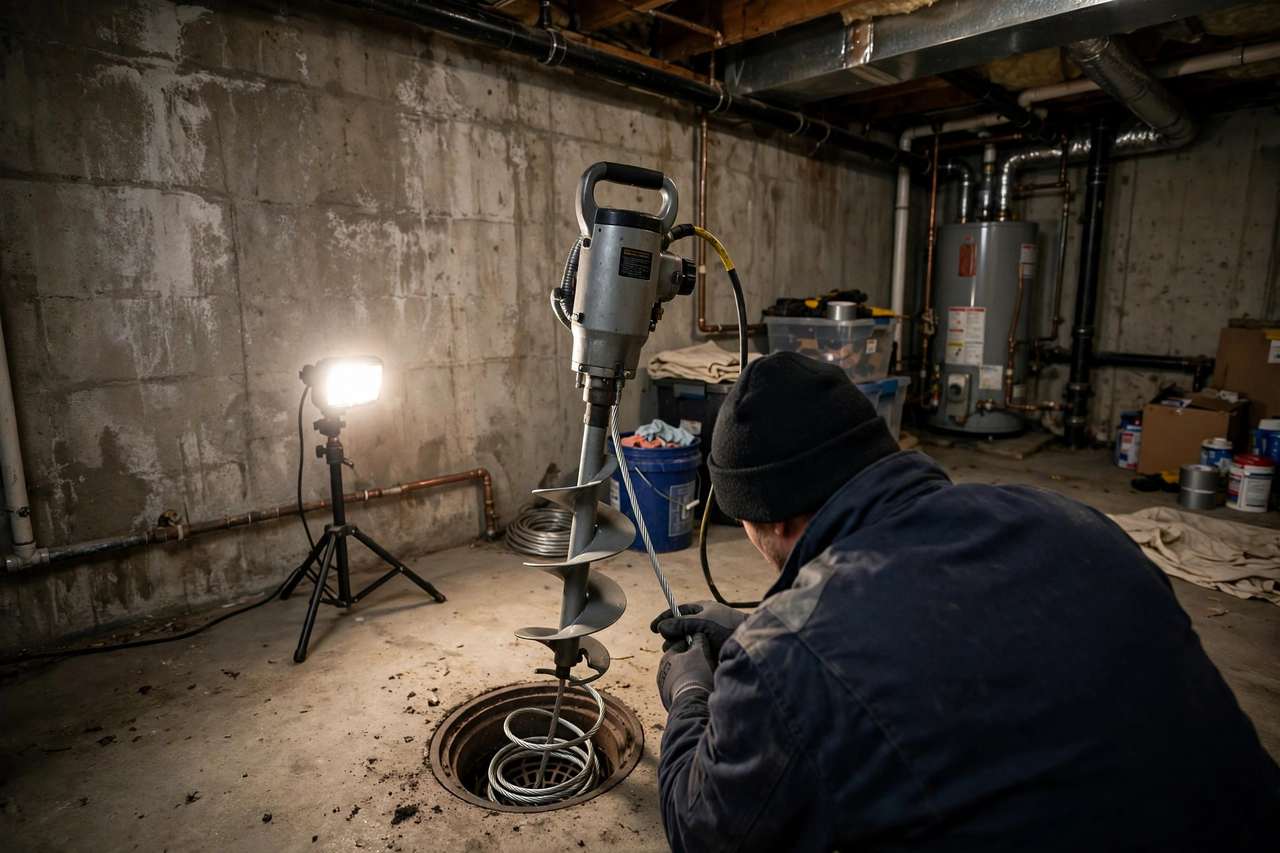
Service overview
What drain cleaning in Denver actually involves
Drain cleaning in Denver is the removal of grease, hair, soap scum, scale, and debris from the inside of your drain lines so wastewater leaves your home the way it should. A snake punches a hole through a clog. Proper cleaning clears the full pipe wall, which is why we check the line with a camera after the blockage is gone, rather than assuming the job is done when the water starts moving.
! Common warning signs
Slow drains in multiple fixtures at once
When two or more fixtures drain slowly, the blockage is usually in the main line, not a branch. The next heavy water use, a laundry load or a long shower, is what backs up into the lowest drain in the house.
Sewage smell coming from a floor drain
A dry trap or a blocked vent lets sewer gas into the house. It is a sign the line is not draining the way it should, and it usually gets worse rather than better on its own.
Water backing up into the basement
A basement floor drain that backs up means the main line is blocked past the point where the basement ties in. Every gallon run upstairs ends up on the basement floor until the blockage is cleared.
Scope of work
What is included in our drain cleaning service
Every drain call starts with a clear scope, so you know what the visit covers and what gets quoted separately if the camera shows a bigger problem. Here is the standard visit.
-
01
Full line clearing
We clear the affected branch line or main line from the cleanout or fixture all the way to the blockage. That covers kitchen sinks, bathroom sinks, tubs, showers, toilets, and floor drains. We do not stop at the first sign of movement.
-
02
Camera inspection
After the line is clear, we run a pipe camera through it to confirm it is open and to check for cracks, offsets, or root intrusion. You see the footage on the monitor. If there is a problem, you know about it before it becomes an emergency.
-
03
Hydro jetting when needed
If the line is greasy or the blockage is heavy, we switch from a snake to hydro jetting. That scours the full pipe wall and removes the buildup a snake leaves behind. It is the difference between a clear line and a line that clogs again in a month.
-
04
Cleanup and test
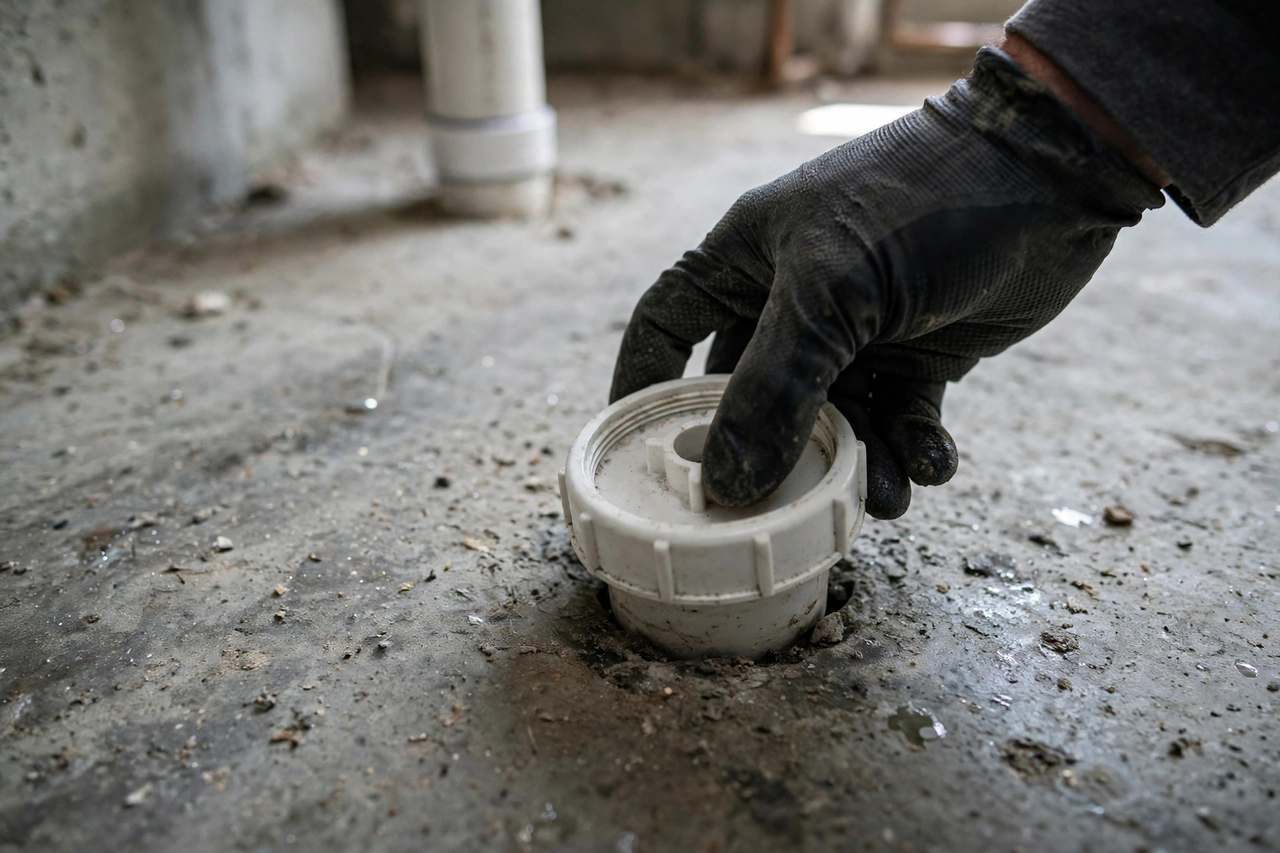
We put the cleanout cap back, wipe down the area, and run water through every fixture on that line. If anything still drains slowly, we keep working. Ask us for a written summary of what we found.
Why Denver homeowners call us for drains
A backed-up drain is more than an annoyance. It is standing water, bad smells, and a risk to the floors and cabinets around it. In a Denver basement, which is where most homes in the city keep their lowest drain, a main-line backup is a high-damage event, because the finished space below grade is the first place the water goes.
Book a drain visitTools and methods we use on Denver drains
Drain snake and auger
Used for standard branch-line clogs in sinks, tubs, and showers. We size the auger to the pipe so we clear the blockage without scoring the pipe wall.
Hydro jetting machine
High-pressure water scours grease, scale, and root intrusion off the full pipe wall. This is our go-to for main lines and kitchen grease clogs that a snake cannot fully clear.
Pipe camera inspection
Lets us see inside the line after clearing. We use it to confirm the pipe is open and to check for cracks, offsets, and root intrusion before we quote any repair.
Hand tools and cleanout access
Used to pull cleanout caps, remove trap assemblies, and access the line. We also carry a plunger for quick fixture clears and the fittings to put a trap back together properly.
Local execution
Denver drains deal with a few things that other cities do not. Denver Water classifies the city's supply as soft to moderately hard, with annual-report averages in the range of about 89 to 105 mg/L, so scale builds up inside pipes and narrows them over time. That scale catches grease and hair, so clogs form faster here than in softer-water cities. The freeze-thaw cycle matters too: ground movement in winter can shift older clay and cast iron lines, opening joints that roots then find. In older neighborhoods such as Baker, Five Points, and Capitol Hill, we still run into original cast iron and clay lines that are 80 to 100 years old. In newer areas such as Central Park and Green Valley Ranch, the issue is usually grease and landscaping roots. We pull a Denver plumbing permit whenever a drain job turns into a repair, and we work to the city's plumbing code on every job.
How drain cleaning runs in Denver
What drain work usually looks like
A drain that keeps coming back needs a camera, not another snake
Call (720) 599-7253 to book a drain visit
A clog that returns within weeks usually means the pipe itself is the problem: a cracked clay joint, a belly that holds waste, or roots that have found their way back in. Clearing it again treats the symptom. Call (720) 599-7253 to book a visit, and we will confirm availability when you call. On the visit we clear the line, run a camera, and show you the footage, so the next step is a decision based on what the pipe actually looks like.
How our drain service works
Call and quick questions
You call us at (720) 599-7253. We ask which fixtures are backing up, whether it is one drain or several, and whether you have a basement or crawl space. Those answers tell us whether this is a branch-line clog or a main-line problem before we load the truck.
On-site inspection
We check the affected fixtures, look for standing water, and pull the cleanout if the home has one. On older Denver homes we also check for a floor drain in the basement, since those often back up first when the main line is restricted.
Clearing the blockage
We start with a drain snake or auger for standard clogs. If the line is greasy or the blockage is heavy, we switch to hydro jetting. After clearing, we camera the line to confirm it is open.
What affects the cost of drain cleaning in Denver
We quote the work before we start, so you know the number before any tool comes out. The quote depends on the line, the method, and what the camera finds. These are the factors that move it.
Which line is clogged
A single bathroom sink is the simplest job. A main line takes longer and uses more equipment. Kitchen lines with heavy grease fall in between, and a line that needs root cutting takes longer still.
Method needed
A standard snaking clears most branch-line clogs. Hydro jetting takes more time and equipment, so it costs more, and it is the method that actually scours the pipe wall clean rather than punching a hole through the clog.
What the camera finds
If the camera shows a cracked pipe, an offset joint, or root intrusion that needs repair, that work is quoted separately and you decide whether to go ahead. Drain cleaning alone will not fix a broken pipe.
How to reach us
Drain questions Denver homeowners ask
How much does drain cleaning cost in Denver?
The cost depends on which line is clogged, the method needed, and what the camera finds. A single fixture is the simplest job; a main line with heavy grease or roots takes longer and uses more equipment. We quote the work before we start, so you know the number before any tool comes out.
How often should I get my drains cleaned in Denver?
For most Denver homes, a camera check every year or two is a reasonable rhythm, and more often if the home has a kitchen that sees a lot of cooking grease or mature trees near the main line. Homes with a history of root intrusion should be checked annually. A camera inspection tells you whether the schedule needs to be tighter.
What causes clogged drains in Denver homes?
The big three are grease, hair, and root intrusion. Grease cools and sticks to the pipe wall, then catches everything else. Hair binds with soap scum in bathroom drains. Tree roots find their way into older clay and cast iron lines, especially in neighborhoods with mature landscaping. Mineral scale from Denver's soft to moderately hard water also narrows pipes over time.
Can I use chemical drain cleaner in Denver?
We do not recommend it. Chemical cleaners are hard on older pipes, and they can damage cast iron and PVC over repeated use. They also only eat a channel through the clog, so it comes back. A drain snake or hydro jetting clears the full pipe wall. If you have already used chemicals, tell us before we start.
Further reading: How much does drain cleaning cost in Denver and Why does my drain keep clogging after cleaning.
Related services
Emergency Plumbing
When a drain backs up and water is heading for your floor, the job stops being a cleaning and becomes an urgent call. We clear the line, stop the water, and check for damage.
Sewer Line Repair
If the camera shows a cracked or offset sewer line under your yard, drain cleaning alone will not fix it. We handle sewer line repair for Denver homes, from spot fixes to section replacements.
Sewer Camera Inspection
A camera inspection is the step that turns a cleared drain into a known quantity. Recorded footage, depth, and position tell you whether the pipe is sound or needs repair.
Drains backing up? Call (720) 599-7253
Call (720) 599-7253 to book a drain visit. We will confirm availability when you call, clear the line, camera it, and show you what we found before anything else is quoted.