
Capitol Hill is Denver's oldest close-in residential neighbourhood, and its plumbing shows it. Stately Victorians, classic brownstones and vintage apartment buildings, many converted to condos, sit on 1880s to 1910s pipework: galvanized steel supply, cast-iron drains and clay sewer laterals. This guide explains what older-home plumbing in Capitol Hill actually involves, and what to check before you hire a plumber.
What makes Capitol Hill plumbing different
The 1880s–1910s core
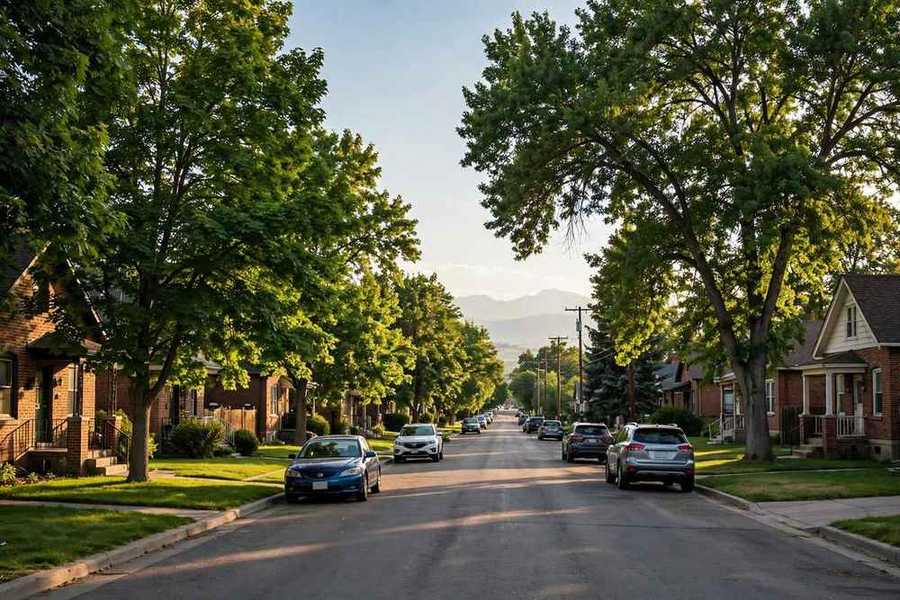
Three things define the neighbourhood. First, the housing era: the 1880s-1910s core, with heavy mid-20th-century apartment infill. Second, conversion: many large houses were subdivided into apartments or condos, so bathrooms and kitchens are stacked on shared cast-iron stacks. Third, the lots: small, tight 25-foot historic lots with alley access, mature trees and difficult parking, which affects how a sewer lateral can be reached at all.
The wider old-housing belt
Denver's oldest housing sits in the close-in residential neighbourhoods — Capitol Hill, Park Hill and Congress Park, with Victorian and early-1900s homes on 1880s to 1910s pipework. If you are looking for a plumber for an older home, those are the neighbourhoods where the work is.
Shared stacks and stacked bathrooms
In a converted mansion or a vintage apartment building, one unit's leak or clog is often a neighbour's ceiling stain. Diagnosis has to trace the shared stack, not just the fixture in front of you. A clog on the second floor and a stain on the first floor are usually the same problem. A repipe in this kind of building is routed through basements and chases to preserve plaster and exterior brick, and it is planned floor by floor.
Galvanized supply and low pressure
Pre-1950s galvanized supply pipe closes from the inside as it corrodes, so pressure falls at every fixture at once. That is different from a single clogged aerator or a failing pressure regulator, and the fix is different too: a whole-house repipe in PEX or copper, not a fixture swap. Many Capitol Hill buildings have had partial, patchwork repipes, so the pipe answer can change from one riser to the next.
Lead service lines
Capitol Hill has one of the highest likelihoods of lead service lines in the city, and pre-1900 homes may still have their original half-inch taps. Before paying a plumber to replace a lead line, check your address on Denver Water's Lead Reduction Program pages: the program replaces customer-owned lead service lines at no direct cost to the customer, and more than 35,000 lines have been replaced since 2020. See our main water line replacement page for the full picture.
Clay laterals and tree roots
Clay sewer laterals jointed a century ago let tree roots in at every joint, and Capitol Hill's mature trees sit directly over them. A sewer camera inspection shows whether the line is blocked by roots, bellied, or collapsed, and that decides whether the answer is drain cleaning, hydro jetting, a spot repair or a full sewer line replacement. Clearing without a camera usually means clearing the same line again.
Best plumbing services for older homes: what to ask before hiring
- Will you camera the line before quoting sewer work, and will I see the video?
- Is the quote for a repair or a replacement, and what decides which one it is?
- Does the job need a Denver permit, and is the permit included?
- How will you route a repipe through a converted building without damaging plaster and brick?
- Has the service line been checked against Denver Water's lead program?
Capitol Hill rewards a plumber who diagnoses first. The houses are old, the stacks are shared, and the fix that finds the real cause is usually the one that lasts. Call (720) 599-7253 to talk about your home.